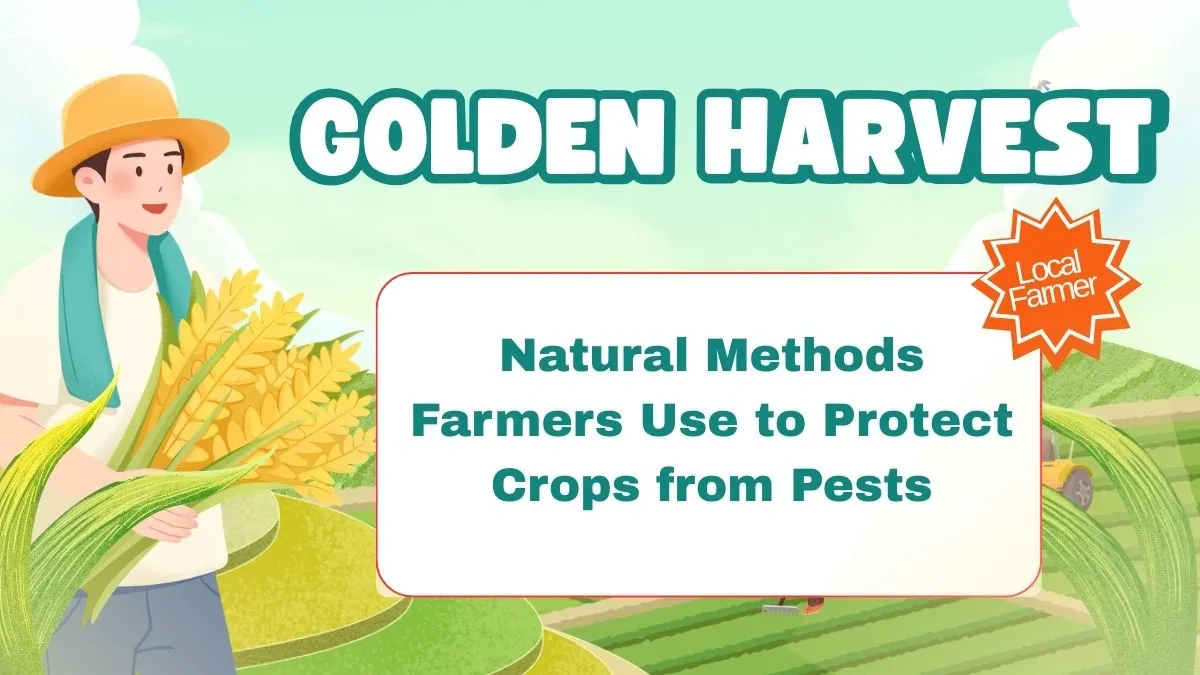
Farming is not just about planting seeds and waiting for them to grow. One of the biggest challenges farmers face is protecting their crops from pests. Insects, rodents, and other pests can destroy entire fields, leading to significant losses. While chemical pesticides are widely used, they can harm the environment, soil, and even human health. That’s why many farmers are turning to natural methods to protect their crops. These eco-friendly approaches help maintain soil health, support biodiversity, and produce safer food for consumers. In this article, we will explore the most effective natural methods farmers use to control pests, how they work, and why they are becoming increasingly popular in sustainable agriculture today.
What Are Natural Methods of Pest Protection?
Natural methods of pest protection involve using non-chemical strategies to prevent or reduce pest damage in crops. Unlike synthetic pesticides, these methods focus on ecological balance and biological processes. Farmers use plants, animals, microorganisms, and farming techniques to naturally repel or control pests. These practices are safe, sustainable, and often cost-effective. Examples include companion planting, using natural predators, and organic sprays made from herbs or plant extracts.



Key Benefits of Natural Pest Control
- Environmentally Friendly – Natural methods reduce chemical runoff and protect soil, water, and beneficial insects.
- Healthier Produce – Crops are free from harmful pesticide residues, making food safer for consumers.
- Biodiversity Support – Encourages beneficial insects like ladybugs, bees, and spiders, which naturally control pests.
- Sustainable Farming – Reduces dependency on expensive chemical pesticides, lowering costs in the long term.
- Resistance Prevention – Pests are less likely to develop resistance compared to synthetic pesticides.
Important Facts About Natural Pest Control
- Ancient Practice: Farmers have been using natural pest control for centuries, long before modern chemicals were developed.
- Integrated Approach: Modern sustainable farming often combines multiple natural methods for better results.
- Cost Consideration: While some natural methods may require more labor, they are often cheaper than buying chemical pesticides.
- Seasonal Variations: Some methods work better in certain seasons due to the life cycle of pests.
- Community Knowledge: Local farming communities often share effective natural strategies passed down through generations.
How Natural Pest Control Works
1. Companion Planting
Planting certain crops together can naturally repel pests. For example:
- Marigolds near tomatoes keep nematodes away.
- Basil near peppers repels aphids.
This method works because some plants produce natural chemicals that pests dislike.
2. Biological Control
Farmers introduce natural predators to control pest populations. Examples include:
- Ladybugs to eat aphids.
- Praying mantises to hunt caterpillars.
- Nematodes to attack soil-dwelling pests.
This approach keeps pest numbers low without chemicals.
3. Organic Sprays
Herbal and plant-based sprays can prevent pests from damaging crops. Common ingredients include:
- Neem oil – repels insects and prevents fungal growth.
- Garlic and chili sprays – deter pests due to strong odor.
- Soap-based sprays – disrupt insect membranes safely.
4. Crop Rotation
Rotating crops each season prevents pests from establishing themselves. Pests that target one plant won’t survive if a different crop is planted next season. This method also improves soil fertility and reduces disease build-up.


5. Mechanical Methods
Simple physical actions can protect crops:
- Hand-picking pests off plants.
- Using nets or barriers to block insects and birds.
- Traps for rodents or larger pests.
6. Habitat Management
Encouraging natural habitats around farms can attract beneficial species:
- Planting hedges or flowers attracts pollinators and predators.
- Wetlands and ponds can support frogs and birds that eat pests.
Tips and Expert Advice for Farmers
- Monitor crops regularly to identify pests early.
- Combine multiple natural methods for more effective control.
- Keep soil healthy with compost and organic matter to strengthen plant immunity.
- Avoid overwatering, which can encourage pests and disease.
- Educate farmworkers about safe handling of organic sprays.
Common Mistakes to Avoid
- Using only one method – combining strategies is more effective.
- Ignoring beneficial insects – some insects help control pests naturally.
- Overusing organic sprays – even natural sprays can harm plants if misapplied.
- Not rotating crops – pests can adapt if the same crop is planted repeatedly.
- Neglecting monitoring – early detection is key to controlling pest outbreaks.
Future Trends in Natural Pest Control
Natural pest control is evolving with technology and research. Some future trends include:
- Precision Agriculture: Using sensors and drones to detect pests early and apply targeted control.
- Microbial Biopesticides: Beneficial bacteria and fungi developed to fight pests safely.
- Genetic Research: Breeding pest-resistant crop varieties naturally.
- Community-Based Farming Networks: Sharing natural pest control techniques across regions.
- Urban and Indoor Farming: Adapting natural methods for rooftop gardens and vertical farms.
Farmers worldwide are recognizing the benefits of these eco-friendly approaches. With growing demand for organic and sustainable produce, natural pest control methods are not just a choice—they are becoming a necessity for long-term agricultural success.



Conclusion
Protecting crops from pests is essential for food security, farmer livelihoods, and environmental sustainability. Natural methods provide an effective, safe, and eco-friendly alternative to chemical pesticides. Techniques such as companion planting, biological control, organic sprays, crop rotation, and habitat management help maintain a healthy balance in the farm ecosystem. Farmers can reduce costs, produce safer food, and encourage biodiversity by adopting these strategies. With continued research and innovation, natural pest control will likely play an even bigger role in sustainable farming practices worldwide. By understanding and implementing these methods correctly, farmers can achieve higher yields, healthier crops, and a more environmentally responsible farming system.